TPMS Diagnostic Tool: A Working Guide for UK Doorstep Jobs
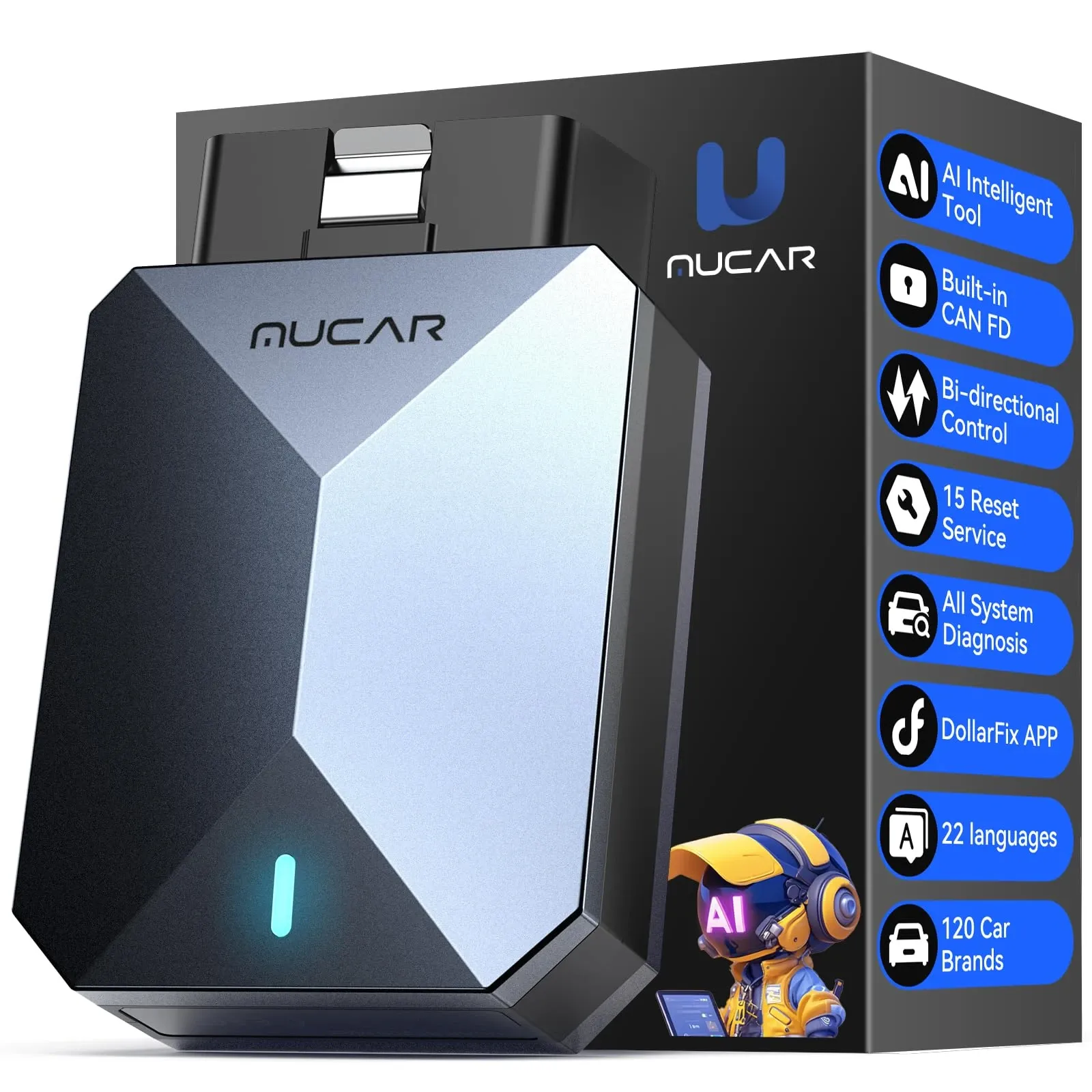
TL;DR: A tpms diagnostic tool is what turns tyre pressure warnings from a "sorry, that needs the dealer" moment into billable doorstep work. The split to understand before spending anything: RF activation tools wake and read the wheel sensors themselves, while OBD2-side tools handle relearns and warning-light resets through the diagnostic port. Many paying jobs only need the OBD2 side — and knowing which is which keeps you from buying kit twice or promising a job you cannot finish.
For anyone doing weekend call-outs — reading codes on neighbours' cars, clearing lights after tyre swaps, health-checking used-car purchases — TPMS is a recurring earner precisely because most drivers have no idea why the light stayed on after they checked their pressures. This guide maps the jobs, the kit each one needs, and where a phone-based scanner fits.
Key Takeaways
- TPMS faults are an MOT failure item on cars first used from 2012 onwards, which keeps demand for this work steady across the UK.
- Sensor activation and programming need dedicated RF hardware; relearns and warning-light resets run through the OBD2 port.
- Direct TPMS sensor batteries last roughly five to seven years sealed in the wheel — battery death is the routine failure you will meet most.
- A phone-based scanner with TPMS reset covers the after-tyre-work jobs without a second device to carry.
- Confirm vehicle support before you drive out: an unsupported car on a customer's driveway costs you the job and the reputation.
What does a TPMS diagnostic tool actually do?
Strictly, "TPMS diagnostic tool" covers two different kinds of equipment, and mixing them up is the most common buying mistake in this niche.
RF activation and programming tools talk to the sensors themselves. They send a low-frequency wake signal at the valve, and the sensor replies with its ID, pressure, temperature and battery state. The same class of hardware programs blank universal replacement sensors. UK and European cars use 433 MHz sensors (North America mostly 315 MHz), and this radio work is physically impossible through the OBD port — no OBD2 scanner does it.
OBD2-side TPMS functions work through the diagnostic port: registering sensor IDs to the car's ECU (an OBD relearn), and resetting the TPMS warning after tyre work on supported vehicles. This is the side a full-system scanner covers. The Aifull Pro OBD2 Scanner (£119.09) includes TPMS reset among its 15 service functions — and because it is a full-system tool, it also reads the ABS and body-module fault codes that indirect TPMS systems store. To be explicit about the boundary: it does not radio-trigger or program sensors; that remains dedicated-tool territory.
Which doorstep jobs need which kit?
Mapping the common call-outs against equipment is what makes this a business decision rather than a gadget decision:
- "TPMS light on, tyres look fine" triage: a full-system scan reads the stored TPMS fault and tells you whether it is a dead sensor, an implausible signal or an ECU-side issue. Phone scanner: yes.
- Warning reset after tyre replacement or rotation: on many vehicles the light clears through the OBD2 service function once pressures are correct and sensors are healthy. Phone scanner: yes, where supported.
- Winter-wheel swaps where the car needs new IDs registered: an OBD relearn writes the IDs to the ECU — supported on many makes; some vehicles use an auto-relearn drive cycle instead. Phone scanner: often, check per model.
- Reading a sensor's battery state or ID at the wheel, or programming replacement sensors: RF activation/programming tool only.
- Fitting new sensors inside the tyre: tyre machine and fitting kit — one for the tyre shop partnership, not the driveway.
The honest sales script follows the same map. "I can diagnose which sensor failed and clear the light after your tyre work" is deliverable with a phone scanner. "I can program and fit new sensors on the drive" is only true once RF kit — and tyre-fitting capability — join the van.
Why is TPMS work steady in the UK?
Regulation keeps the demand floor in place. TPMS has been mandatory on new passenger cars across the UK and EU since November 2014 (type approvals from 2012), and since 1 January 2015 a malfunctioning system — including a permanently lit warning — is an MOT failure on cars first used from 2012. Every MOT season produces drivers whose light "has been on for months" and now must be fixed.
Physics supplies the rest: direct-TPMS sensors run on sealed batteries that last roughly five to seven years, so cars from the mid-2010s onwards are permanently cycling through sensor end-of-life. And because the dashboard light typically only triggers around 20–25% under-inflation, plenty of callers genuinely need the diagnostic step, not just an air pump.
How do you price and run the job?
Three practices keep TPMS call-outs profitable and complaint-free:
- Confirm support before rolling out. Check the vehicle's make, model and year against your tool's coverage while you are still on the phone. The costliest outcome in mobile work is arriving, plugging in and discovering the relearn is unsupported — you burn fuel, time and trust.
- Scan first, promise second. Run the full-system scan, show the customer the stored fault, and quote against evidence. If the fault is a dead sensor you cannot program on-site, the deliverable becomes the diagnosis plus a referral — still worth charging for.
- Zero-subscription kit keeps the maths simple. At typical local rates for a diagnostic visit, a £119.09 one-off tool with lifetime free updates is paid back within a handful of jobs, and every job after that carries no software rent. A tool on a £100-a-year update plan needs several extra bookings annually before you earn anything.
For the wider kit decision — what else a full-system scanner earns its keep doing between TPMS calls, from EPB brake jobs to fault triage — see our car diagnostic scanner UK buyer's guide.
Frequently asked questions about TPMS diagnostic tools
Can an OBD2 scanner replace a dedicated TPMS activation tool?
No — and anyone who tells you otherwise is selling something. The OBD2 side covers relearns, resets and fault reading; waking sensors at the wheel and programming replacements needs RF hardware. Many mobile workers run the phone scanner first and add an activation tool once sensor replacement becomes a regular request.
Will the TPMS light clear itself after I fix the pressures?
On some cars yes, after a drive; on many others the system wants a reset or relearn before it trusts the wheels again. That variability is exactly why the reset function earns money on a doorstep call.
Is a TPMS fault always the sensor?
No. Dead sensor batteries are the most common cause, but corroded valve stems, a lost signal from one wheel position, or faults stored after a battery disconnect all present the same light. Reading the actual fault code beats guessing — replacing a healthy sensor is the expensive version of guessing.
Does an indirect TPMS car need sensors at all?
No — indirect systems infer pressure loss from wheel-speed data through the ABS. There is nothing in the wheel to replace; after correcting pressures the system needs recalibrating, which is a menu procedure or button sequence rather than new hardware.
Which TPMS diagnostic tool should you start with?
For doorstep diagnostics, start where the recurring jobs are: a full-system scanner with TPMS reset covers triage, post-tyre-work resets and OBD relearns on supported cars, plus everything else a diagnostic call-out involves — all from the phone already in your pocket. Add dedicated RF kit when programming work justifies it. That order gets you earning this weekend, not after the next equipment fund.
Shop the Aifull Pro Scanner — £119.09 · TPMS reset + 14 more service functions
Ready to take control of your vehicle with Aifull?
Upgrade Your Garage — £119.09